November 12, 2026
We sat down with Sahid Hernandez of Terminel to find out why Sinaloa’s growers have pushed kabulis to third place behind corn and beans, and what that means for prices, stocks and exports in 2027.


For the 2026-27 autumn-winter season, the State Council for Sustainable Rural Development approved a planned area of 62,863 hectares (ha). However, the area authorised through planting permits shows a downward trend. So far, only 7,672 ha have been planted. Obviously, there's an unregistered area to come, but what's very clear is that the trend is going downward.
If we take an average yield of 1.5 MT/ha, that would give 94.3 KMT. If we're optimistic, only 80% is for export, which reduces it to an exportable supply of 75 KMT for the whole 2027 harvest. It's a very low number.
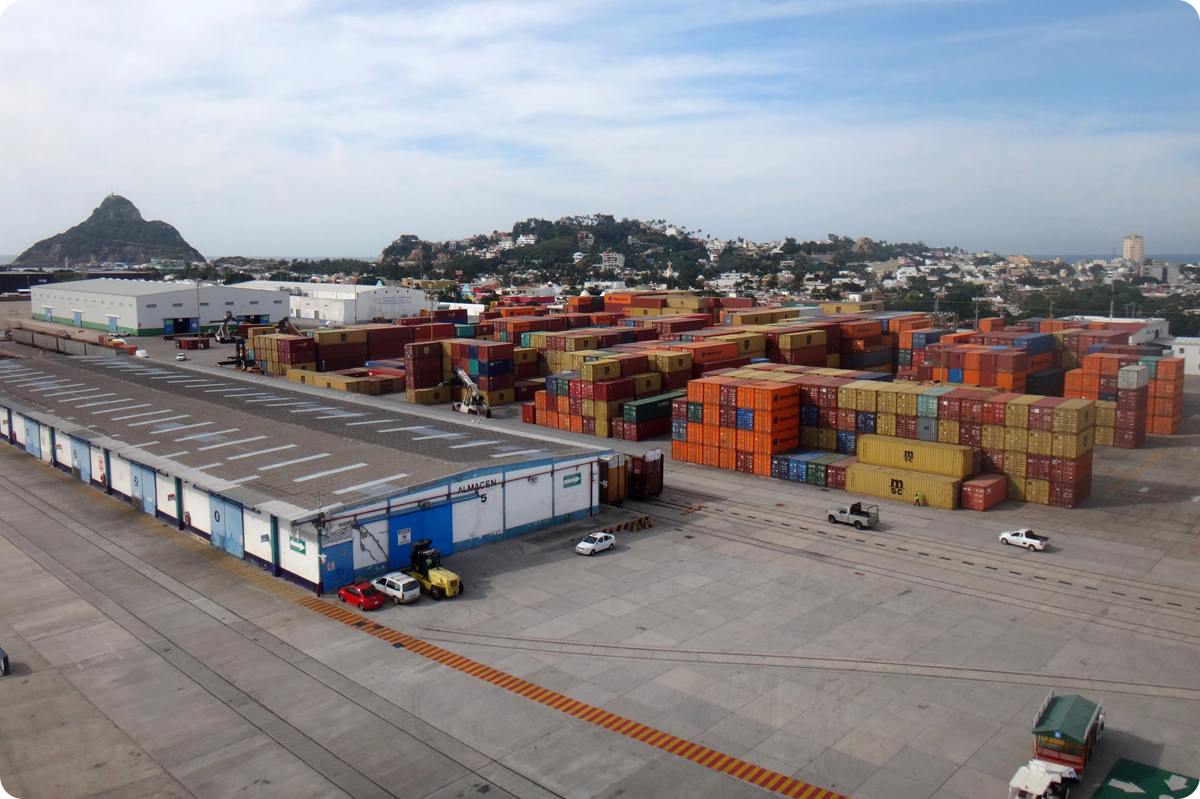
Mexico’s kabuli chickpea exporters face rising freight costs and growing challenges in reaching international markets.
For many years, we'd experienced drought, and the government was promoting other crops than corn because of the low level of water in the dams. With the rain we've had, the dams have reached good levels. Not quite the levels that were expected, but it's been a good help to have more water. The increased availability means more planting permits for corn, because we know corn is a crop that needs several irrigations. Governmental support for corn planting has already been announced.
We sell seed here, and we've seen that demand for chickpea seed just hasn't been like other years. We also sell corn seed, and corn seed is top in sales, just below that is beans, with chickpeas last.
A lot of area that used to be planted with chickpeas is also going to beans, driven by the promising prices. Chickpeas are now number three in planting priorities: corn, beans and then chickpeas, when historically it was corn, chickpeas and then beans.
Really, the low prices of the past few years are what's behind growers' lack of interest in planting.
I see zero carryover, or if any exporter has some product, it's being held to speculate on a price rise. Several exporters, including us, no longer have any product on offer.
It was a short harvest. We've had several years of reducing our area, but the impact hasn't been seen because other countries have had good harvests. There was also a decent pace of exports. Although the price customers were offering us didn't match what we'd paid growers, exports continued at a high pace, which means that at this point there's very few chickpeas in stock.
At the end of September, we still had customers willing to pay a maximum of USD 1,400/MT or USD 1,380/MT with some pushing below that level. ... It started to rebound a little, and we began to see it go past USD 1,400, to 1,420, to 1,450, up to 1,470/MT. Today (11 November) I'm hearing prices over USD 1,500/MT for 42–44 size kabuli. So it's a significant jump.
This price increase is influenced by Ramadan falling before our new harvest. Historically, between September and February, stocks in Mexico are lower. The price is also influenced by how little grain is on offer, which is almost none.
The natural result of supply and demand should be high prices, but this isn't the first year Sinaloa has cut back. The price rebound hasn't really happened because there are always other harvests or substitutes, mainly from India.
The top two are still Algeria and Türkiye. In Algeria, We've seen the same level of buying through tenders. In Türkiye, we've seen a market with some intention to buy, but less ready to speculate. Because of the price falls at the end of 2025, buyers in 2026 weren't willing to speculate, because they lost a lot of money too.
Yes, I think so. If before they said, "Well, I'll bring it in, buy it from Mexico, keep it in Mersin and look for a sale in the Middle East," the uncertainty has to be a reason for no longer buying for re-export. One reason is falling prices, and the other, uncertainty over shipping, because the Middle East routes aren't in good shape and they're also very expensive.
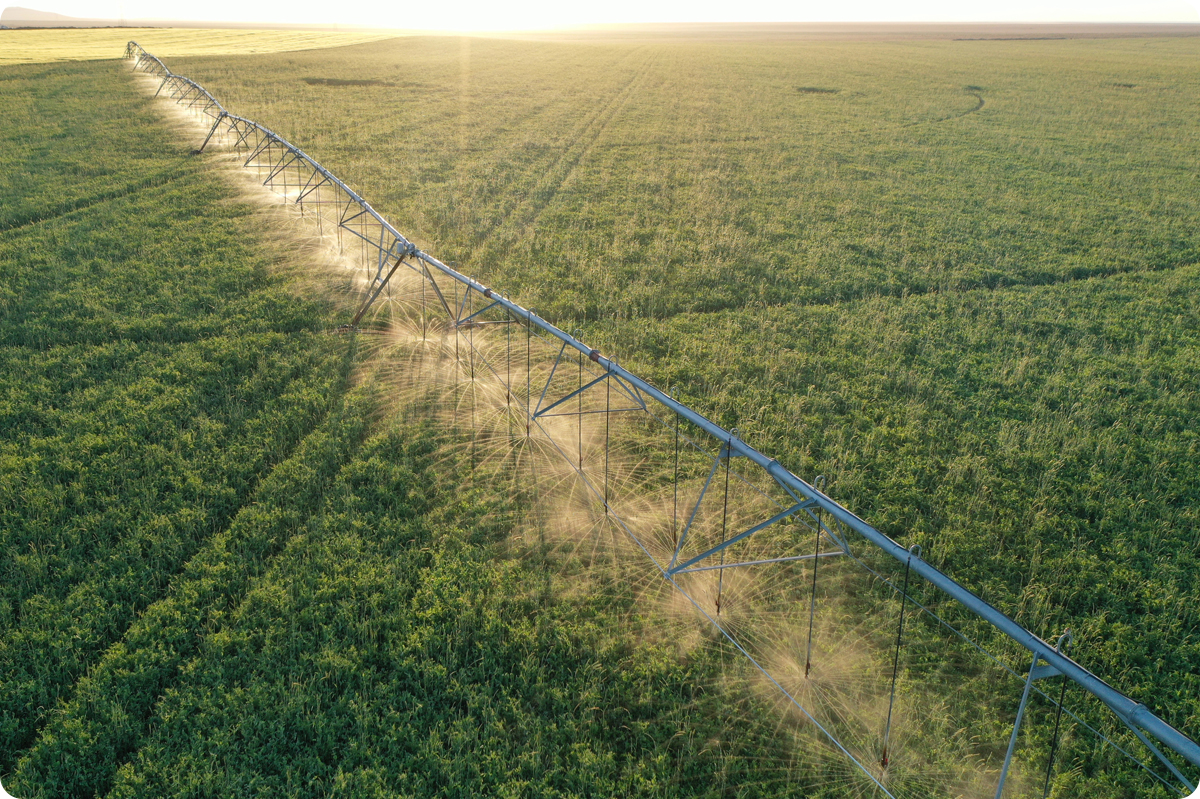
Improved water availability in Sinaloa is encouraging growers to prioritise corn and beans over kabulis for the 2026-27 season.
The biggest impact it's had on our markets in the Middle East is in terms of very high freight rates and few shipping lines available. Out of Mazatlán, only MSC ships over there, with very, very high freight rates. Hapag-Lloyd had freight now and then, but it has now closed the route. Out of Altamira it's the same; very few shipping lines go there, and freight is very high.
We typically paid around USD 3,500 per container. The last freight was USD 18,000 for two containers. USD 9,000 for one 20-foot container. Back in August, I still got a very good rate with Hapag-Lloyd to the Middle East — somewhere in that USD 3,500 range. Then a shipment in September went up to USD 9,000 per container.
It leaves us out of the running against other origins. India is closer and it is more flexible or competitive for them to offer grain to, say, the United Arab Emirates. It's the war risk charge that is putting up the prices.
Mexican chickpeas aren't really direct competition, so to speak, because Russia grows smaller grains; we do sell some smaller grains, but our stock of those sizes (between 7-8 mm) is usually limited. We have seen a slight increase in demand for small grains, although this size only makes up 10-15% of the harvest, in general.
For us as exporters, it doesn't benefit us at all. We had a strong peso practically all of the first half of the year, and still in August and September. It has only just started to weaken, but it really made us less competitive.
For the Mexican economy, a strong peso is very good; for us as exporters, it's not so good, it doesn't stretch as far. We're paid in dollars, and we lose on the conversion. We buy from growers at a certain exchange rate. Back in March, the rate was higher, but as the peso strengthened it fell as low as 16.9–17.1 pesos/USD. So yes, it affected us.
Now that it's gone above 18 the outlook is improving.
We were expecting a lot of rain this season. The heavy rains we expected haven't come, but there's a chance of rain in December and January, which will affect the quality of the harvest. Mainly for chickpeas, which don't like moisture. It can mean bleached grains and falling yields.

Mexico / kabuli chickpeas / Sinaloa production / chickpea exports / chickpea prices / 2027 harvest.


Disclaimer: The opinions or views expressed in this publication are those of the authors or quoted persons. They do not purport to reflect the opinions or views of the Global Pulse Confederation or its members.